


Over the past few years, I have watched digital competition evolve from casual online matches into structured ecosystems built around visibility, measurable skill, and audience engagement. What used to feel like isolated gaming sessions has transformed into something much larger. Today, skill based competitive platforms operate in direct connection with streaming culture, content creation, and global digital communities.
The shift did not happen overnight. It developed quietly as streaming platforms normalized real time performance, audience interaction, and monetized competition. In this environment, visibility became currency. Skill became content. And competition became a form of entertainment designed not only for players but also for spectators.
The Streaming Era Changed the Nature of Competition
The launch and growth of platforms like Twitch and YouTube transformed how competitive environments function. According to industry reports, Twitch alone consistently records millions of concurrent viewers daily, with esports and competitive gaming occupying a significant share of watch time.
What streaming did was simple but powerful. It removed the private nature of competition. Performance was no longer confined to the match itself. Every decision, reaction, and mistake became visible. That visibility increased pressure but also increased opportunity.
When I first started observing competitive platforms a few years ago, leaderboards were the main recognition system. Now, recognition is layered. It includes live audiences, subscription models, sponsorship exposure, and social amplification. Skill is still central, but presentation matters almost as much.
Skill as a Monetizable Asset
One of the most interesting developments is how skill has become a measurable and monetizable asset. Competitive platforms are increasingly structured around ranking systems, tournament brackets, and performance statistics. The rise of professional leagues around games such as League of Legends and Valorant demonstrates how structured ecosystems create long term engagement.
What fascinates me is how younger players now approach these platforms strategically. They are not simply playing for fun. They are building profiles, optimizing performance metrics, and leveraging streaming exposure. In many cases, their goal is dual layered: compete effectively while growing a personal brand.
The streaming era essentially merged competition and content creation into a single loop.
The Role of Real Time Interaction
Streaming introduced another critical element: instant audience feedback. Real time chat reactions, live commentary, and community polls shape how competitions are experienced. Platforms that integrate viewer participation features often see higher retention rates.
From a structural perspective, this creates a hybrid model. Players compete for rankings and rewards, but they also compete for attention. Attention drives subscriptions, donations, and partnerships. The economic layer now extends beyond prize pools.
I have noticed that platforms incorporating social mechanics such as spectator modes, live leaderboards, and shareable performance clips tend to grow faster. They are not just hosting competitions. They are building ecosystems.
Data Driven Competition
Modern skill based platforms rely heavily on analytics. Player performance is tracked in granular detail. Win rates, reaction times, accuracy percentages, and strategic efficiency are measured continuously.
This mirrors broader trends in digital ecosystems. Data informs matchmaking, ranking adjustments, and personalized recommendations. It also fuels audience discussions. Streamers frequently analyze their own metrics live, turning performance breakdowns into educational content.
Interestingly, this data transparency increases trust in competitive systems. When ranking algorithms and performance stats are visible, platforms appear more merit driven. In the streaming era, transparency contributes to credibility.
The Expansion Beyond Traditional Esports
Skill based competition is no longer limited to traditional esports titles. We are now seeing competitive elements integrated into mobile games, simulation platforms, and even casual strategy environments.
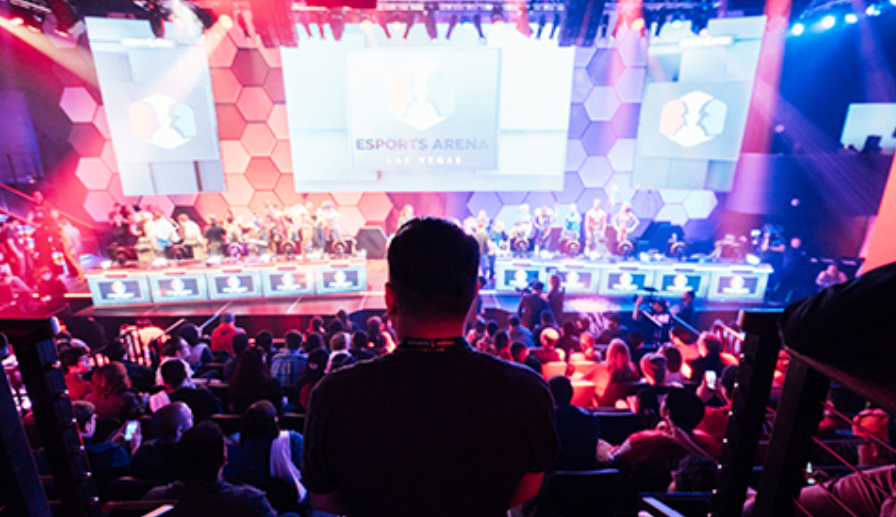
For example, tournaments within games like Fortnite demonstrated that large scale prize pools and live streamed events can transform a mainstream game into a global competitive spectacle. The 2019 Fortnite World Cup famously awarded millions in prizes, highlighting how digital competition can rival traditional sports in financial scale.
At the same time, smaller platforms are introducing skill based reward systems tied to structured performance metrics. The streaming ecosystem amplifies these competitions, giving even niche platforms visibility that would have been impossible a decade ago.
Platform Design and Behavioral Psychology
Another dimension I find compelling is how platform design influences competitive behavior. Reward loops, progression systems, and tiered rankings create long term engagement. In the streaming era, visible progression becomes content in itself.
Audiences enjoy watching improvement arcs. A player climbing from mid tier ranking to top tier division creates narrative tension. Platforms that design clear progression pathways benefit from this storytelling dynamic.
Behavioral psychology plays a role here. Measurable progress increases motivation. Public recognition reinforces consistency. Social validation through streaming chat and follower growth adds another reinforcement layer.
Competition becomes not just a test of skill but a structured journey.
Regulatory and Integrity Considerations
As skill based platforms grow, regulatory conversations are also becoming more visible. Issues around fair play, anti cheating systems, and financial transparency are receiving greater scrutiny. In global markets, different jurisdictions apply varying standards to competitive reward systems.
From my perspective, platforms that proactively address integrity concerns tend to build stronger long term credibility. In a streaming environment, any controversy spreads quickly. Transparency and accountability are no longer optional features. They are strategic necessities.
The Future of Skill Based Platforms
Looking ahead, I believe the integration of artificial intelligence and predictive analytics will deepen the competitive experience. AI assisted matchmaking, personalized training recommendations, and dynamic tournament structures are already emerging.
Streaming will likely remain central. The relationship between performer and audience has fundamentally reshaped digital competition. Skill alone is no longer isolated performance. It is performative skill.
What started as simple online matches has evolved into interconnected ecosystems blending competition, content creation, data analytics, and global visibility. The streaming era did not just amplify competitive platforms. It redefined them.
For those observing digital trends closely, skill based competitive systems represent more than entertainment. They illustrate how visibility, performance metrics, and community engagement converge to create sustainable digital economies.
And from where I stand, this convergence is only accelerating.